Ways to Recognize Roof Damage: Symptoms You Need to Hire a Certified Roofing Company
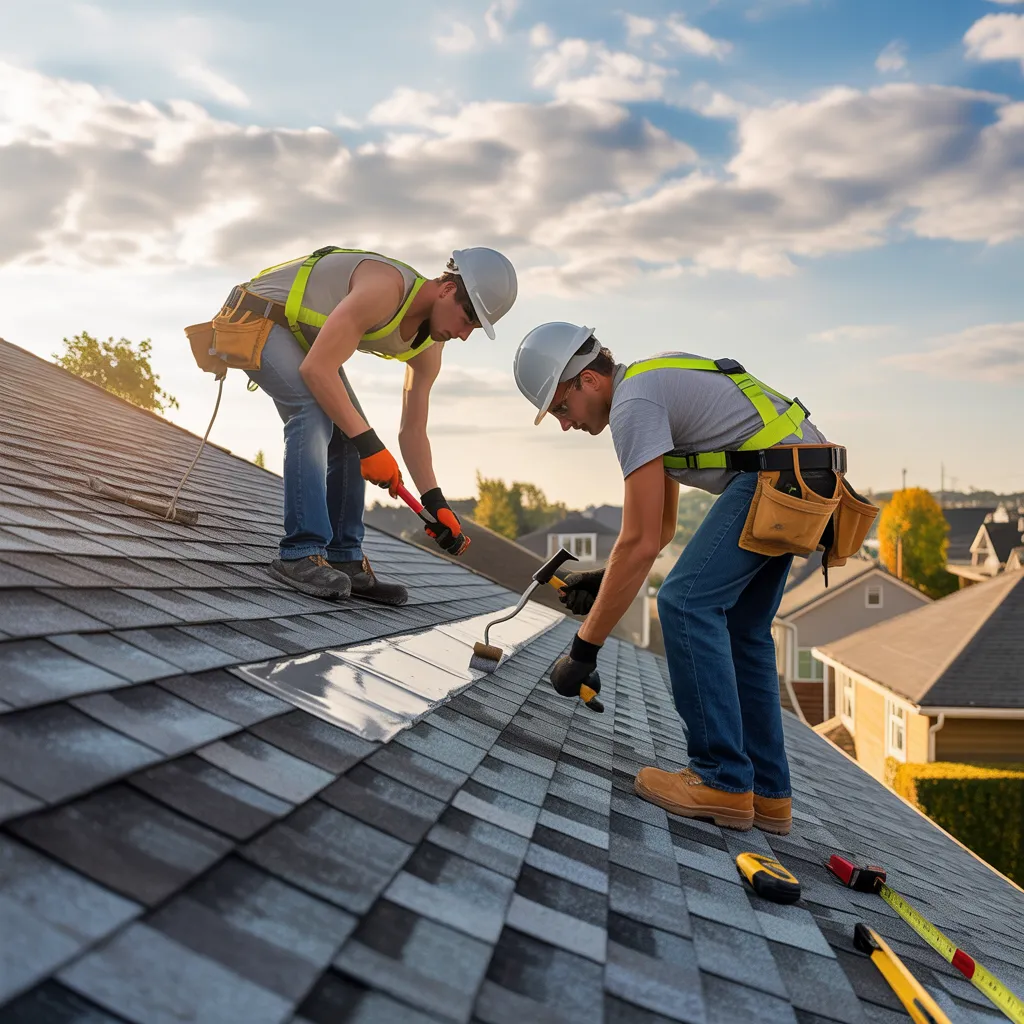
Recognizing roof damage soon is important for preserving a home's value. Homeowners must stay attentive for warning signs including damaged roof tiles, water stains, or sagging areas. Periodic inspections can help uncover problems before they intensify. Yet, many may fail to notice concealed damage or minimize the hazards associated with DIY repairs. Grasping the indicators that call for expert attention can result in wiser maintenance choices. What are the primary indicators that suggest needing expert services?
Ways to Detect Roof Issues Soon
When homeowners regularly inspect their roofs, they can detect problems quickly and prevent expensive maintenance. A comprehensive inspection should include checking for missing or cracked shingles, as these can expose the underlying structure to water damage. Property owners should also watch for granule loss, which can suggest wear and tear. Additionally, examining flashing around chimneys and vents is essential, as compromised flashing may lead to leaks.
Another vital aspect is evaluating the condition of gutters and downspouts, making certain they are clear of debris. Indicators of moisture marks on ceilings or walls inside the home can also signal roof issues. Homeowners should pay attention to sagging areas, which may suggest foundation issues. By conducting these regular inspections and recording any abnormalities, homeowners can take proactive measures, seeking professional assistance when needed to resolve potential roof deterioration before it escalates.
How Weather Impacts Your Roof
Weather plays a vital role in the integrity of a roof. Rain can lead to water damage, while strong winds and debris can create significant structural issues. Recognizing these impacts is essential for maintaining a roof's longevity and performance.
Rain and Water Destruction
Although roofs are constructed to withstand numerous weather conditions, persistent rain and Roofing Company water exposure can trigger significant damage over time. Water can breach roofing components, causing deterioration and weakening the structural robustness. Notable indicators of precipitation-related water damage encompass discoloration on ceilings or walls, which reveal leaks, and the formation of mold or mildew, signaling sustained wetness. Additionally, standing water on flat roofs can accelerate wear, bringing about membrane failure. Homeowners should routinely assess their roofs, especially after heavy rainfall, to spot any noticeable damage or wear. Timely intervention is imperative; ignoring minor issues can provoke substantial repairs down the line. Engaging a professional roofing company warrants exhaustive evaluations and appropriate solutions to mitigate moisture-induced harm.
Wind and Debris Effects
Strong air currents and flying particles can cause significant damage to roofs, frequently leading to expensive repairs. Powerful gusts may lift shingles, creating gaps that allow water penetration. Loose or missing shingles not only threaten the roof’s durability but may also result in further damage to supporting structures. Debris, such as branches or gravel, can puncture or abrade roofing materials, worsening wear and tear. Homeowners should consistently inspect their roofs after harsh weather events, looking for indicators like displaced shingles, dents, or holes. Additionally, debris build-up might point to drainage concerns, increasing water damage risks. Retaining a professional roofing company can deliver a detailed inspection and needed repairs to ensure lasting roof health.
Why You Ought to Examine Your Roof Consistently
Consistent roof reviews are necessary for maintaining the integrity of a home. By recognizing minor issues early, homeowners can circumvent high-cost repairs and extend the lifespan of their roofing system. Giving attention to these checks aids overall property value and safety.
Avoid Costly Repairs
Proactively examining a roof can prevent homeowners substantial costs in the long run. Regular checks can identify minor issues before they grow into serious problems, such as leaks or structural damage. By tackling these concerns early, homeowners can avoid costly repairs and prolong their roofing system. Common indications to look for include missing shingles, granules in gutters, or water stains on ceilings. Seasonal inspections, particularly after severe weather, can help catch potential damages early. Engaging a professional roofing company for thorough evaluations guarantees that no hidden issues are overlooked. Ultimately, maintaining carefulness with roof inspections not only protects the home but also safeguards the homeowner’s financial investment.
Lengthen Roof Lifespan
Homeowners who focus on regular roof inspections not only prevent costly repairs but also extend the lifespan of their roofing systems. Regular checks enable early detection of issues such as leaks, missing shingles, or weather-induced deterioration. By fixing these problems promptly, homeowners can avoid more serious damage that could call for a complete roof replacement. Additionally, routine maintenance ensures that roofing materials stay effective, minimizing wear and tear over time. Hiring professional roofing services for these inspections can deliver an expert evaluation, thereby protecting the investment in the home. By following this proactive strategy, homeowners can have peace of mind, knowing their roofs remain in prime condition and will last longer.
Identifying Concealed Problems in Your Attic
What method can one use to identify hidden damage in an upper floor storage space? To begin with, a comprehensive inspection of the attic's structure is vital. Signs of moisture-related deterioration, such as stained wood or fungal growth, can suggest roof leaks. Homeowners should look for sagging rafters or peculiar odors, which may suggest moisture accumulation. Moreover, inspecting insulation for wetness or mold can reveal concealed problems.
Ventilation is an additional crucial factor; poor airflow can lead to condensation and subsequent damage. Observing the condition of roof sheathing is vital; any warping or discoloration may signal problems. Moreover, checking for pests can reveal hidden damage, as rodents or insects may compromise insulation and structural integrity.
Routine inspections, preferably performed twice a year, will help verify that any hidden damage is detected early, allowing for expedient response by a experienced roofing company.
How to Evaluate Roof Wear in the Wake of a Storm
Once the attic has been assessed for concealed damage, attention should be directed toward the roof's exterior, particularly following a storm. Homeowners ought to start by checking shingles for missing, cracked, or curled sections. A thorough inspection of the edges and valleys is essential, given these areas are especially vulnerable to storm damage. Additionally, debris like branches or leaves must be cleared out, since they can trap moisture and lead to more issues.
Following that, inspecting gutters and downspouts for granules or shingle fragments can suggest substantial damage. Homeowners should also check for signs of leaks or water stains inside the house, as these may suggest roof integrity issues. Finally, a physical inspection of flashing around chimneys and vents can expose compromised seals. If any of these signs are present, it may be time to consult a professional roofing company for a comprehensive review and necessary repairs.
Aging Materials: Signs Your Roof Requires Repairs
deterioration.
One more indicator is discoloration or streaks on the roof surface, often showing water damage or mold growth. Homeowners should also look for sagging areas, which may suggest structural issues or trapped moisture.
Flashing around chimneys and vents may deteriorate over time, resulting in leaks that require immediate attention. Ultimately, if the roof is at or has gone beyond its expected lifespan, a specialist review is recommended. Spotting these signs can help keep up the roof's operational capability and shield the home from costly damage.
Dangers of Do-It-Yourself Roof Repairs
Engaging in DIY roof maintenance can look like a economical solution, but it often entails significant risks. Homeowners might underestimate the sophistication of roofing systems, causing improper repairs that can exacerbate existing problems. Without adequate tools and skills, individuals may also overlook vital safety precautions, elevating the chances of accidents. Falling from heights represents a serious danger, not only to the person making the repairs but also to others nearby.
Additionally, inferior work can result in additional harm to the roof and structural components, ultimately leading to more expensive repairs. Homeowners may also void warranties by performing unapproved repairs. Finally, municipal construction standards might not be adhered to, causing legal consequences. Consequently, while DIY repairs may seem attractive, the potential hazards and long-term financial implications often outweigh the initial savings. Hiring an expert ensures that repairs are done properly and securely.
When do you need to reach out to a professional roofing business?
Detecting the signs of roof damage is key for homeowners, particularly after severe weather or noticing leaks. When damage signs become clear—like missing shingles, water stains on ceilings, or sagging spots—it’s important to assess the situation quickly. Homeowners should hire a professional roofing company if they find significant wear, major damage, or if the roof is over 20 years old. Furthermore, if leaks persist despite temporary repairs or if mold or mildew are present, professional help is necessary. A roofing expert can deliver a thorough inspection, making sure every problem is identified and resolved. Moreover, homeowners should seek professional assistance if they have little experience in roof repairs or are uncomfortable with heights. In the end, acting promptly can prevent more damage and expensive repairs, so consulting a qualified roofing professional when in doubt is crucial.
Responses to Frequently Questioned Topics
How Often Should I Inspect My Roof for Deterioration?
Specialists recommend examining a roof at least twice a year, optimally in spring and fall, to uncover any possible damage. Additionally, evaluations should take place after severe weather events to ensure the roof stays in good condition.
What Can Be the Regular Causes of Roof Leaks?
Typical origins of roof leaks comprise damaged shingles, substandard installation, clogged gutters, and defective flashing. Exposure to elements, gathering of materials, and roof aging also contribute greatly, calling for scheduled maintenance to prevent ensuing structural deterioration.
Is Repairing Roofing Harm Something I Can Do Myself?
While some trivial roof damage can be remedied by homeowners with basic skills, serious problems often require professional expertise. Evaluating health and possible complications is imperative before choosing to pursue any repair on your own.
What is the duration of a standard roof?
A average roof lasts between 20 to 30 years, contingent upon materials, installation quality, and maintenance. Periodic inspections can boost its lifespan, confirming early detection of potential issues that may surface over time.
What Protection Covers Roof Damage Work?
Homeowners insurance generally provides coverage for repair work on roofs, subject to the insurance policy. Coverage can cover storm damage, fire, or vandalism, while normal wear and tear is usually left out. Reviewing the details of the policy is essential for clarity.
As a final thought, we have evaluated the vital topics highlighted across this evaluation.
Ultimately, prompt detection of roof damage is critical for preserving a safe and sound home. Routine inspections, especially after severe weather, can expose hidden concerns before they escalate. Homeowners should remain vigilant for signs of deterioration, like absent shingles or water stains, and prevent the hazards linked to do-it-yourself fixes. When unsure, reaching out to a professional roofing company guarantees that concerns are correctly addressed, protecting the home's structural condition and sidestepping costly future repairs.